

Everyday nutrition, explained simply
How to use these articles
These articles and recipes are written to help you understand everyday nutrition and make informed choices for yourself and your family. Each piece is written and reviewed by Kejjall R Juthani, a registered dietitian and certified diabetes educator, and draws on current nutrition science and practical experience with Indian kitchens. Topics range from festival fasting and women’s health to diabetes, gut health, heart health and children’s nutrition.
Articles are general health education. They are not a substitute for a medical diagnosis or a personalised plan. Individual needs vary with age, health conditions, medicines and lifestyle, so please speak with your doctor or dietitian before making major changes, particularly if you have a medical condition, are pregnant or breastfeeding, or take regular medicines.
Topics we cover
The articles are organised around the questions clients ask most often.
- Diabetes and blood sugar: balanced plates, carbohydrate choices, meal timing and fasting safely
- Heart health: fats, salt, fibre, cholesterol and blood pressure
- Gut health: acidity, bloating, constipation and the role of fibre and fermented foods
- Women’s health: PCOS, thyroid, fertility, pregnancy, breastfeeding, menopause and breast health
- Bone and joint health: calcium, vitamin D, protein and healthy weight
- Children’s nutrition: tiffins, picky eating, immunity and growth
- Festival and fasting guides: Navratri, Paryushan, Ramadan, Diwali and more
- Recipes: healthier versions of familiar Indian dishes
How to spot reliable nutrition advice
Nutrition information is everywhere, from social media reels to forwarded messages, and much of it is contradictory. A few simple checks can help you judge what to trust.
- Be cautious of claims that one food, drink or supplement can cure a disease or melt fat
- Look for advice that is written or reviewed by a qualified professional, with a review date
- Prefer guidance that explains the reasoning and acknowledges that individual needs vary
- Be wary of plans that remove entire food groups without a medical reason
- Check whether a product is being sold alongside the advice
- Discuss any major change with your doctor, especially if you take medicines
Nutrition basics in brief
Carbohydrates are the body’s main source of energy; whole grains, millets, pulses, vegetables and fruits provide them along with fibre, while refined flour, sugar and sugary drinks provide energy with little else. Protein builds and repairs muscle and supports immunity; good sources include dal, pulses, curd, milk, paneer, soy, eggs, fish and chicken. Fats provide energy and help absorb certain vitamins; nuts, seeds and measured amounts of cooking oil or ghee are better choices than fried and processed foods.
Vitamins and minerals support every process in the body. Iron, calcium, vitamin D, vitamin B12 and folate are among the nutrients most often low in Indian diets, particularly among women, vegetarians and older adults. Fibre supports digestion, blood sugar and cholesterol, and water is essential for almost every function. A varied, balanced diet based on whole foods usually meets most of these needs.
Hydration, tea and coffee
Many people in India start the day with tea or coffee and drink several cups through the day, often with sugar. Moderate amounts are fine for most people, but tea or coffee on an empty stomach can increase acidity, and drinking tea with meals reduces iron absorption. Try drinking a glass of water first thing in the morning, reducing sugar gradually, keeping tea and coffee to two or three cups a day, and spacing them away from meals. Water, buttermilk, coconut water and lemon water are good choices through the day.
Cooking methods that make a difference
How food is cooked matters as much as what is cooked. Steaming, boiling, pressure-cooking, roasting, grilling and sautéing with a measured amount of oil keep dishes lighter than deep-frying. Reusing frying oil repeatedly is best avoided. Adding vegetables to dals, khichdi, parathas and pulao increases fibre and nutrients without changing the dish much. Using herbs, spices, lemon and tamarind for flavour reduces the need for extra salt and sugar.
Eating out and ordering in
Eating out is part of modern life, and it can fit into a healthy diet with a few strategies. Choose grilled, tandoori or steamed dishes over fried or cream-based ones, add a salad or raita, share rich dishes and desserts, ask for sauces on the side and choose water or buttermilk instead of soft drinks. When ordering in, look for dal, roti, vegetables and a protein, and avoid ordering when very hungry, which often leads to ordering more than you need.
Understanding food labels
Packaged foods are a growing part of Indian diets, and reading labels helps you make better choices. Start with the serving size, since all the numbers on the label refer to it. Then look at total sugar, saturated and trans fat, and sodium, which are best kept low, and fibre and protein, which are useful to have more of. The ingredients list is ordered by quantity, so if sugar, refined flour or hydrogenated oil appears near the top, the product contains a lot of it. Terms such as multigrain, natural or no added sugar do not always mean a product is healthy; checking the label gives a clearer picture.
Healthy eating on Indian plates
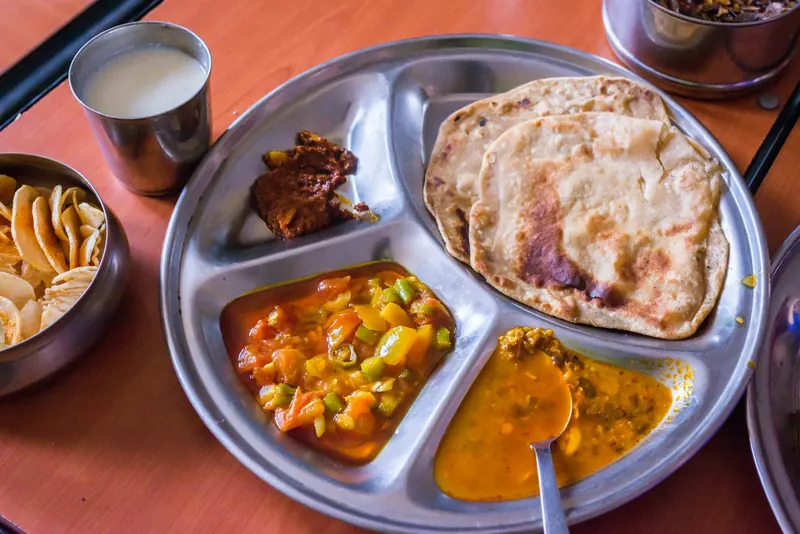
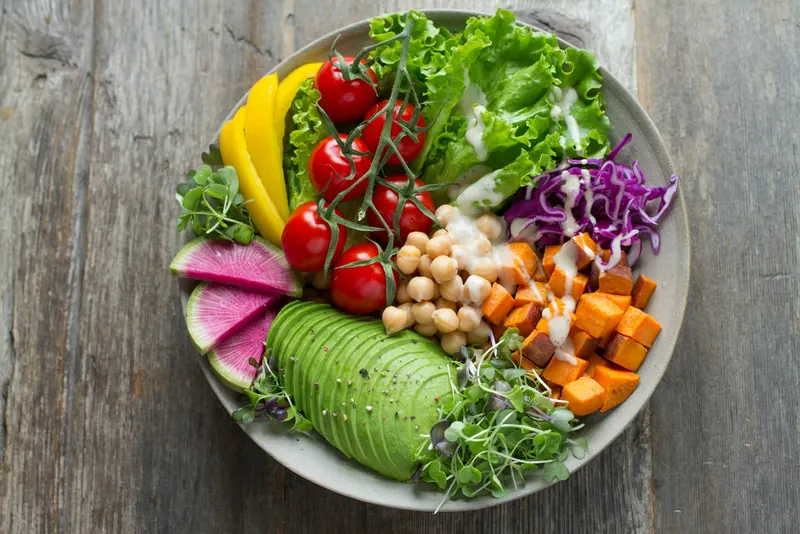
Traditional Indian meals offer an excellent foundation for good health, with pulses, vegetables, whole grains, spices and fermented foods. The challenge in modern life is usually portion size, frequency of fried and sweet foods, refined grains, sugary drinks and late meals. A simple guide is to fill half the plate with vegetables, a quarter with a protein such as dal, paneer, curd, eggs, fish or chicken, and a quarter with whole grains or millets. Add a fruit and a glass of buttermilk or water, and use oil in measured amounts.
Seasonal eating in Mumbai
Mumbai’s seasons bring different foods and health challenges. Summer calls for extra fluids, buttermilk, coconut water and water-rich fruits such as watermelon and cucumber. The monsoon brings a higher risk of stomach infections, so freshly cooked food, safe drinking water and careful washing of leafy vegetables are important. The cooler months bring seasonal vegetables such as methi, green peas, carrots and sweet potato, along with festivals and weddings that need a little planning. Eating with the seasons adds variety and nutrition throughout the year.
Festivals and fasting
India’s festival calendar is full of celebration, and food is central to it. Fasting during Navratri, Paryushan, Ekadashi, Shravan or Ramadan can be healthy when planned well, with adequate protein, fibre and fluids and fewer fried and sweet foods. People with diabetes, those who are pregnant or breastfeeding, and those who take regular medicines should discuss fasting with their doctor first. Our fasting guides offer practical, tradition-friendly ideas.
Sugar and sweet cravings
Sweets are part of every Indian celebration, and many people also crave something sweet after meals. Cravings are often stronger when meals are skipped, protein is low, sleep is poor or stress is high. Regular, balanced meals with protein and fibre, enough sleep and staying hydrated help reduce cravings. When you do want something sweet, choose a small portion after a meal rather than on an empty stomach, and try options such as fruit with curd, a couple of dates with nuts or homemade laddoos made with dates and seeds. Reducing sugar in tea and coffee gradually also helps retrain your taste over a few weeks.
Supplements: what to know
Supplements can be useful when a deficiency has been confirmed, such as vitamin D, vitamin B12 or iron, but they are not a substitute for a balanced diet. Many products are marketed with strong claims, and some can interact with medicines or be harmful in high doses. Always check with your doctor before starting a supplement, and ask for blood tests where a deficiency is suspected. A food-first approach remains the foundation of good nutrition.
Be especially careful with products bought online or recommended on social media.
Sleep, stress and eating habits
Short or poor-quality sleep is linked with higher appetite, stronger cravings for sugary and fatty foods and poorer blood sugar control. Stress can lead some people to skip meals and others to snack more. A consistent sleep routine, an earlier and lighter dinner, limiting caffeine after mid-afternoon and short daily walks all support healthier eating patterns and overall wellbeing.
Nutrition for different life stages
Nutritional needs change through life. Children need energy and nutrients for growth; teenagers need extra iron, calcium and protein; women need additional support during pregnancy, breastfeeding and menopause; and older adults benefit from adequate protein, calcium, vitamin D and fluids to protect muscle and bone. Articles on each of these stages explain what matters most and how to meet those needs with everyday foods.
Myths we often hear
Myth: eating after 7 pm always causes weight gain. Fact: total intake and food quality matter more than a fixed clock time, although very late, heavy dinners can affect sleep and digestion.
Myth: ghee is always bad for health. Fact: small amounts can be part of a balanced diet; it is the overall quantity of fats and the rest of the diet that matter.
Myth: fruit should be avoided if you have diabetes. Fact: whole fruits in suitable portions can be part of a diabetes-friendly diet; fruit juices are best limited.
Myth: brown sugar and jaggery are much healthier than white sugar. Fact: they contain small amounts of minerals, but they are still sugar and should be used sparingly.
From reading to action
Reading about nutrition is a good first step, but lasting change usually comes from a plan that fits your health, routine and food preferences. If you would like personalised guidance, a consultation at the clinic in Ghatkopar East or online can turn general advice into a practical plan for you and your family, with regular follow-ups to keep you on track.
Suggest a topic
If there is a nutrition question you would like answered in a future article, or a family recipe you would like made healthier, you can share it with the clinic by WhatsApp or through the contact page. New articles and recipes are added regularly, and each one is reviewed and dated so you know the information is current.