
5 Navratri fasting mistakes to avoid
Fasting can be a meaningful part of Navratri. A few common habits, though, can leave you tired, bloated or with unsteady blood sugar. Here is what to watch for.
By Kejjall R Juthani, RD, CDE · Updated October 2026 · 4 min read
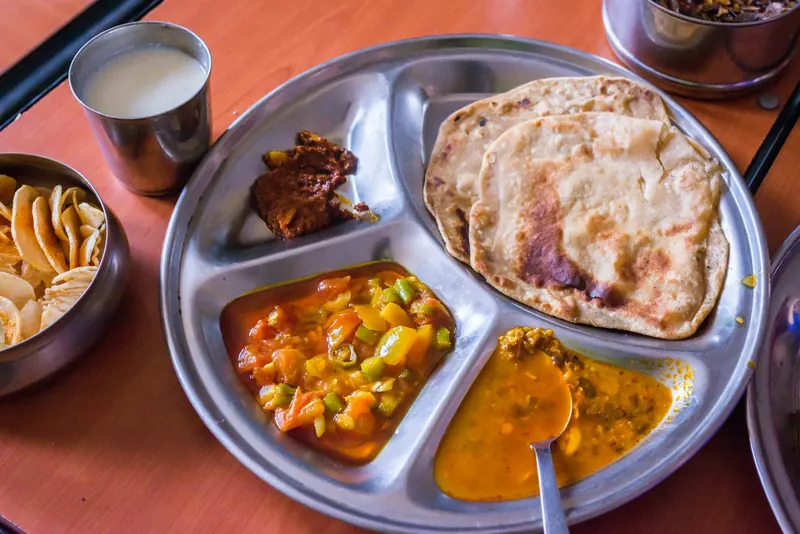
1. Eating large portions of fried fasting foods
Sabudana vada, potato chips and fried puris are easy to overeat. Choose roasted, steamed or lightly sautéed versions and keep fried items occasional.
2. Building every meal around carbohydrates
Sabudana, potato and sweet potato are all carbohydrate-rich. Balance them with protein such as curd, paneer, milk or roasted peanuts and makhana.
3. Not drinking enough fluids
Thirst is easy to miss while fasting. Sip water, buttermilk, coconut water or lemon water through the day.
4. Eating one very large late meal
A heavy meal late at night can cause acidity and disturb sleep. Spread smaller meals through the day where your fast allows.
5. Eating the same few foods every day
Rotate fruits, vegetables allowed in your tradition, dairy, nuts and seeds so you get a wider range of nutrients.
Why Navratri fasting affects people differently
Navratri fasting traditions vary widely between families and communities. Some people eat one meal a day, some avoid grains but eat fruit, dairy and permitted flours, and others take only fruit and milk or water for some of the nine days. The effect on the body depends on the pattern you follow, how active you are, whether you also take part in garba and dandiya, and your health conditions.
For most healthy adults, a well-planned fast is safe. Problems usually arise when the fast is built around fried and sugary foods, when meals are skipped for very long periods, or when people with conditions such as diabetes fast without adjusting medicines or meals. Planning ahead makes the nine days more comfortable and keeps energy steady.
Building a balanced fasting plate
Even within fasting rules, it is possible to create balanced meals that include protein, fibre, healthy fats and slow-release carbohydrates.
- Protein: curd, paneer, milk, buttermilk, peanuts, makhana, rajgira and nuts
- Slow-release carbohydrates: rajgira, samak (barnyard millet), singhara and kuttu flours in moderate portions
- Vegetables allowed in your tradition: pumpkin, bottle gourd, cucumber, raw banana, sweet potato in controlled portions
- Healthy fats: nuts, seeds and small amounts of ghee
- Fruit: seasonal fruits such as apple, papaya, guava, pomegranate and banana
Sample fasting day
A balanced fasting day might look like this, adjusted to your own tradition.
- Early morning: water, followed by a few soaked almonds or walnuts
- Breakfast: a bowl of fruit with curd and a sprinkle of seeds
- Mid-morning: buttermilk or coconut water
- Lunch: samak rice khichdi with vegetables and peanuts, with cucumber raita
- Evening: roasted makhana or a small handful of nuts with herbal tea
- Dinner: rajgira or singhara roti with lauki or pumpkin sabzi and curd
Healthier versions of fasting favourites
Sabudana khichdi, sabudana vada, potato chips, fried puris and sweets are fasting favourites, but they are high in starch, fat or sugar. You do not need to avoid them entirely. Try sabudana khichdi with plenty of peanuts and vegetables and a bowl of curd on the side, roasted or air-fried potato instead of chips, rajgira or singhara rotis instead of fried puris, and homemade sweets made with dates, nuts and milk in small portions. Keeping fried items to once or twice during the nine days makes a noticeable difference.
Staying hydrated during the fast
Dehydration is common during fasts, particularly in warm weather and when dancing late at night. It can cause headaches, tiredness, dizziness and constipation. Drink water regularly when your fast allows, and include coconut water, buttermilk, lemon water with a pinch of salt, and water-rich fruits such as watermelon and cucumber. Limit tea and coffee, which can increase acidity on an empty stomach.
Fasting and garba nights
Garba and dandiya can mean several hours of energetic dancing late into the night. Eating a light, balanced meal two to three hours before, carrying water or coconut water, and having a small snack such as fruit with curd or roasted makhana afterwards help maintain energy and avoid feeling faint. Avoid dancing on a completely empty stomach, especially if you have been fasting all day.
Fasting with diabetes
People with diabetes need extra care during Navratri. Long gaps without food can cause low blood sugar, particularly for those taking insulin or certain tablets, while heavy starchy and sweet fasting foods can push sugar levels up. Speak with your doctor before the fast, as medicine doses or timings may need to change. Check your blood sugar more often, choose smaller, more frequent meals with protein and fibre, limit sabudana, potato and sweets, and break the fast immediately if you feel shaky, sweaty, confused or unwell.
Fasting with PCOS, thyroid or acidity
For women with PCOS, balanced fasting meals with protein and fibre help avoid sharp swings in blood sugar and cravings. Those taking thyroid medicine should continue to take it as prescribed, usually on an empty stomach with water, and keep the usual gap before tea, coffee or milk. People prone to acidity should avoid long gaps, limit tea and fried foods, and choose curd, buttermilk and fruit to keep the stomach settled.
Fasting during pregnancy and breastfeeding
Pregnant and breastfeeding women have higher needs for energy, protein, fluids and nutrients, and prolonged fasting is generally not advised. If you wish to observe Navratri, discuss it with your gynaecologist first. Partial fasting, such as avoiding grains while eating regular meals with dairy, fruit, nuts and permitted flours, may be an option with medical approval.
Breaking the fast gently
After nine days, it can be tempting to return to heavy meals straight away. Start with light, easily digested foods such as moong dal khichdi, curd rice, vegetable soups and fruit on the first day, then return to your regular meals gradually. Sweets made for Dussehra can be enjoyed in small portions after a balanced meal.
Older adults and fasting
Older adults are more prone to dehydration, low blood pressure and low blood sugar during fasts, especially if they take several medicines. Shorter or partial fasts, regular fluids and soft, easily digested foods such as curd, fruit, milk and samak khichdi help. Family members should watch for dizziness, confusion or weakness and seek medical advice if needed.
Understanding fasting flours and grains
Fasting flours and grains differ in their nutrition. Rajgira (amaranth) is relatively high in protein and calcium. Samak, or barnyard millet, is a good source of fibre and can be cooked like rice or made into khichdi and upma. Kuttu (buckwheat) and singhara (water chestnut) flours are commonly used for rotis and pancakes; kuttu offers some protein and fibre, while singhara is lighter. Sabudana (tapioca pearls) is almost entirely starch, with very little protein or fibre, which is why it is best paired with peanuts, curd and vegetables and eaten in moderate portions.
Rotating these foods through the nine days gives a wider range of nutrients and avoids relying too heavily on sabudana and potato.
Protein: the most common gap
Many fasting menus are low in protein, which can leave you hungry soon after eating, contribute to muscle loss over several days and make energy dips worse. Aim to include a protein source in every meal and snack. Curd, paneer, milk, buttermilk, peanuts, rajgira, makhana, almonds, walnuts and seeds such as pumpkin and sunflower are usually permitted. A bowl of curd with fruit, paneer tikka made with fasting spices, or makhana roasted with a little ghee are simple, protein-rich options.
Managing acidity and constipation
Acidity and constipation are frequent complaints during Navratri. Long gaps, tea or coffee on an empty stomach, fried foods and low fibre all play a part. Start the day with water rather than tea, include fruits with skin where possible, choose samak and rajgira over refined starches, add vegetables to every meal, and drink enough fluids. Curd and buttermilk can help soothe the stomach. If symptoms persist, speak to your doctor.
Planning ahead
A little planning before Navratri makes the nine days easier. Stock up on fasting flours, nuts, seeds, makhana and fruit, plan your menu for the week, and prepare snacks such as roasted makhana and peanut chikki in small portions in advance. If you work in an office, pack fasting-friendly tiffins and snacks so that you are not left choosing fried items from outside. Sharing the plan with family members who cook makes it easier for everyone.
Fasting for children and teenagers
Children and teenagers are growing and have high nutrient needs. Many families choose not to have young children fast, or allow them a modified fast with regular meals. If older children wish to take part, make sure they eat regular, balanced meals with dairy, fruit, nuts and permitted grains, and drink plenty of fluids, especially if they are dancing late or have school or exams.
Quick fasting snack ideas
Keep a few ready-to-eat snacks at home and work so you are not tempted by fried options.
- Roasted makhana with a pinch of rock salt and pepper
- A small handful of mixed nuts and seeds
- Fruit with curd or a glass of buttermilk
- Peanut and rajgira chikki in small portions
- Cucumber or carrot sticks where permitted, with hung-curd dip
- Sweet potato roasted or boiled, in a small portion with lemon and rock salt
Questions readers often ask
Can I drink tea during my fast? Small amounts are fine for most people, but avoid it on an empty stomach and limit it to one or two cups to reduce acidity. Is rock salt healthier than regular salt? Sendha namak is used for tradition, but it is still salt; use it in moderation, especially if you have high blood pressure. Will I lose weight during Navratri? Some people do, often from fluid and reduced intake, but weight may return quickly afterwards. Focus on feeling well and returning to balanced eating rather than on short-term weight loss.
Fasting if you take regular medicines
If you take medicines for blood pressure, thyroid, diabetes, acidity, heart disease or any other long-term condition, do not stop or change them during the fast without your doctor’s advice. Some medicines need to be taken with food to avoid stomach upset or low blood sugar, so your meal pattern may need to be adjusted around them. Keep a written schedule of your medicines and meals for the nine days, and share it with your doctor if you are unsure. If you feel unwell at any point, it is safer to break the fast and seek medical advice.
Above all, listen to your body. Feeling light and energetic is a good sign; persistent weakness, dizziness or headaches are signals to eat, drink and rest.
When fasting needs individual advice
Your fasting pattern may need to be adjusted if you have diabetes, PCOS, a thyroid condition, fatty liver or digestive problems, are pregnant or breastfeeding, or take regular medication. Speak with your doctor or dietitian before you begin.

This content is general health education and is not a substitute for medical advice, diagnosis or treatment. Individual needs vary. Please consult your treating doctor before changing your diet, fasting or medication.