Carbohydrate quality & portions
Learn which rotis, rice and snacks raise sugar fastest, and how to balance them with protein and fibre.
Learn which rotis, rice and snacks raise sugar fastest, and how to balance them with protein and fibre.
Spacing meals to avoid sharp spikes and lows, aligned with your medication schedule.
InBody tracking of body fat and muscle, since both affect insulin sensitivity.
Understanding fasting, post-meal sugars and HbA1c so you can see what is working.
Every plan is personal. Kejjall counsels you herself, reviews your progress at each follow-up and adjusts the plan as your reports and routine change.
Identify deficiencies and metabolic concerns.
Muscle, body fat and visceral fat, not just weight.
Sleep, stress, schedule, culture and food preferences.
Several food options per meal, with regular progress reviews.
Type 2 diabetes develops when the body cannot use insulin effectively, a state known as insulin resistance, and the pancreas gradually struggles to keep blood sugar in a healthy range. Prediabetes is the stage before this, when fasting sugar, post-meal sugar or HbA1c are higher than normal but not yet in the diabetes range. India has one of the largest numbers of people living with diabetes in the world, and many more have prediabetes without knowing it.
Prediabetes is an important window. Research consistently shows that lifestyle changes, including a modest reduction in body weight, regular physical activity and better food choices, can slow or prevent the progression to type 2 diabetes for many people. For those already diagnosed, good nutrition helps keep blood sugar steadier, supports the effect of medication prescribed by your doctor and lowers the risk of long-term complications affecting the heart, kidneys, eyes and nerves.
Common signs that deserve a blood test include frequent thirst or urination, unusual tiredness, slow-healing wounds, frequent infections, blurred vision and weight gain around the waist. Many people have no symptoms at all, which is why regular screening matters, especially if diabetes runs in your family.
Every meal affects blood sugar. Carbohydrates from rice, roti, poha, upma, potatoes, fruit and sweets are broken down into glucose. The type, amount and combination of these foods determine how sharply sugar rises after eating. Protein, fibre and healthy fats slow digestion and soften that rise. This is why two people eating the same amount of rice can see very different sugar readings depending on what else is on the plate.
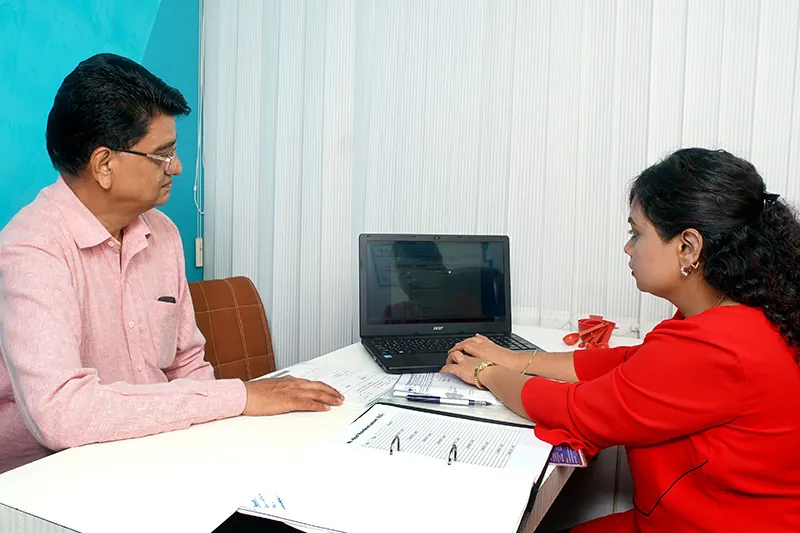
A diabetes nutrition plan is not about banning foods. It is about learning how your body responds, choosing better versions of the foods you already enjoy and arranging them in a pattern that keeps energy steady through the day. Kejjall R Juthani, a Registered Dietitian and Certified Diabetes Educator, builds every plan around your reports, routine and culture, so the changes are realistic for a working professional, a homemaker or a retired parent alike.
A simple starting point is the plate method. Fill half the plate with non-starchy vegetables such as bhindi, lauki, tinda, cabbage, beans, cauliflower, spinach or salad. Use a quarter for protein such as dal, chana, rajma, paneer, curd, eggs, fish or chicken. Keep the remaining quarter for whole grains such as jowar, bajra or multigrain roti, brown or hand-pounded rice, or millets.
Portion awareness matters as much as food choice. Many people do not realise how much rice or how many rotis they eat until they measure for a few days. During your consultation you will learn practical portion guides using everyday katoris and spoons rather than complicated calorie counting.
Choose more often: whole pulses and dals, sprouts, green leafy vegetables, millets, whole grains, curd and buttermilk, nuts and seeds in measured portions, and whole fruits instead of juice. These foods provide fibre, protein and micronutrients that support blood-sugar balance.
Limit or plan carefully: white bread, maida-based snacks, sweetened beverages, packaged juices, mithai, fried farsan, large portions of white rice and sugary tea or coffee. Festivals, weddings and travel are part of life in India, so your plan will include strategies for these occasions rather than unrealistic rules.
Regular meal timing helps prevent both spikes and lows, particularly if you take tablets or insulin. Skipping breakfast and eating a very large dinner is a common pattern that makes sugar control harder. Your plan will be aligned with the timing of any medication prescribed by your doctor.
Monitoring helps you see what works. We review fasting sugar, post-meal sugar and HbA1c, which reflects average blood sugar over roughly three months. Some clients also use a glucometer or continuous glucose monitor at home. Medication decisions always remain with your treating doctor; we share your food records and progress so your doctor can make informed decisions.
For many people with insulin resistance, losing even five to seven percent of body weight improves blood-sugar control. However, the scale alone does not tell the full story. An InBody body-composition scan at our Ghatkopar East clinic measures muscle mass, body fat and visceral fat, the fat stored around internal organs that is closely linked to insulin resistance.
Muscle helps the body use glucose. Daily walking, especially a 10 to 15 minute walk after meals, along with simple strength exercises two or three times a week, can make a meaningful difference. Activity advice is always adapted to your age, fitness and any joint or heart concerns.
Myth: people with diabetes must never eat rice. Fact: portion size, type of rice and what you pair it with matter more than complete avoidance.
Myth: fruits are bad for diabetes. Fact: most whole fruits in sensible portions are suitable and provide fibre and vitamins. Fruit juice is a different matter.
Myth: sugar-free sweets can be eaten freely. Fact: many contain refined flour, fat and calories that still affect blood sugar and weight.
Myth: once on medication, diet does not matter. Fact: nutrition and lifestyle remain essential alongside medication for long-term health.
This program suits adults with prediabetes, newly diagnosed or long-standing type 2 diabetes, insulin resistance, women with a history of gestational diabetes and anyone with a strong family history who wants to lower their risk. It is available at our clinic in Ghatkopar East, Mumbai, convenient for clients from Ghatkopar, Vikhroli, Chembur, Mulund, Kurla and Thane, and online for clients across India and abroad.
If you have type 1 diabetes, kidney disease, are pregnant or have frequent low blood sugar episodes, your plan will need closer coordination with your doctor, and we will ask for relevant reports before starting.
Indian life revolves around festivals, family functions and social meals, and a good plan prepares you for them instead of asking you to avoid them. Before a wedding or festival, eat a small protein-rich snack so you do not arrive very hungry. At the buffet, start with salad and dal, take one small portion of the dishes you love most and walk after the meal. During Diwali or Navratri, we can plan sweets and fasting foods into your week so blood sugar stays reasonably steady.
When travelling for work, carry roasted chana, nuts or fruit, choose grilled or tandoori options at restaurants, ask for dal and sabzi with fewer rotis rather than biryani or naan, and keep your medication timing consistent with meals.
Poor sleep and chronic stress raise stress hormones that can push blood sugar higher and increase cravings for sweet and fried foods. Aiming for seven to eight hours of sleep, keeping a regular bedtime, limiting screens late at night and practising simple relaxation can make dietary changes easier to follow and support better readings.
In the first few weeks, most people focus on regular meal timing, portion awareness and replacing sugary drinks and refined snacks. By the second month, meal patterns usually feel more natural, and many clients notice steadier energy and fewer cravings. HbA1c is typically reviewed after about three months, because it reflects average blood sugar over that period. Every person responds differently, and progress depends on many factors, including medication, activity, sleep and other health conditions.
Throughout the program you will have regular follow-ups to adjust the plan, review any new reports and solve practical challenges such as night shifts, frequent travel or cooking for a family with different preferences.
Diabetes often runs in families, and the food changes that help one person benefit everyone at home. We encourage family members to attend consultations when possible, so the person cooking understands the plan and meals do not need to be prepared separately. Children who grow up with balanced home-cooked meals and regular activity develop habits that may lower their own future risk.
Many people with prediabetes bring their sugars back into the normal range through diet, activity and weight changes. Results vary, and regular testing with your doctor is essential.
No. We focus on portions, pairing and frequency rather than banning foods. Your plan includes options you enjoy.
No. Medication is managed by your doctor. We share your progress so your doctor can make informed decisions.

Kejjall R Juthani, RD, CDE
Registered Dietitian · Certified Diabetes Educator · IDA Registration Board No. 26/05
Last reviewed: October 2026
This page is general health education, not a substitute for medical advice, diagnosis or treatment. Nutrition care supports, and does not replace, treatment by your doctor. Individual needs and results vary; no specific outcome is promised. Please consult your treating doctor before changing your diet, fasting or medication.
Leave your number and we’ll call or WhatsApp you within one working day to set up a consultation.