
How to choose the right nutrition program
Why condition-specific programs
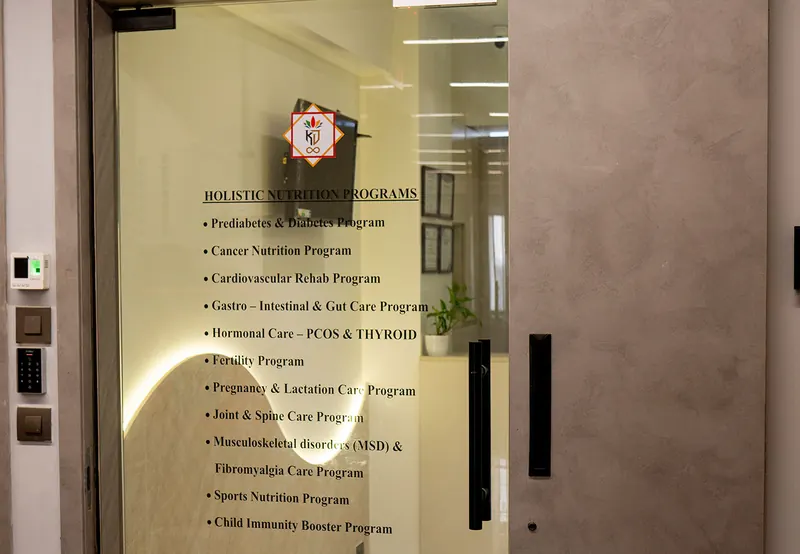
General healthy-eating advice is a good start, but many health conditions need more specific guidance. Diabetes requires attention to carbohydrate quality, portions and timing; heart health calls for careful choices around fats, salt and fibre; PCOS benefits from balanced meals that support insulin sensitivity; and cancer treatment needs nutrition that protects strength and muscle. Each program brings together the nutrition science for a particular condition with practical, Indian meal planning.
What every program includes
Whichever program you choose, the structure is consistent.
- A detailed first consultation covering history, reports, medicines and lifestyle
- An InBody body-composition scan at the Ghatkopar East clinic
- A personalised, written meal plan built around your preferred foods
- Recipes, tiffin ideas, grocery guidance and tips for eating out
- Follow-ups every two to four weeks to review progress and adjust the plan
- Coordination with your doctor’s treatment where needed
Metabolic health: diabetes and heart
The Prediabetes & Diabetes program supports healthier blood sugar through balanced plates, carbohydrate choices, meal timing and activity, and is often used by people whose check-up shows rising HbA1c. The Cardiovascular Rehab program supports heart health through attention to fats, salt, fibre and weight, and is suitable for people with high cholesterol, high blood pressure or after a cardiac event or procedure, alongside cardiology care.
Digestive and hormonal health
The Gastro-intestinal & Gut Care program addresses acidity, bloating, constipation, IBS-like symptoms and other digestive concerns through meal structure, fibre, fluids and, where needed, a short-term structured approach to identify triggers. The Hormonal Care program supports women with PCOS and thyroid conditions, focusing on regular meals, balanced carbohydrates, protein, key nutrients and strength-based activity.
Both programs work closely with your gastroenterologist, gynaecologist or endocrinologist.
Women’s health through life stages
The Fertility program supports couples planning a pregnancy, looking at nutrition for both partners alongside fertility treatment. The Pregnancy & Lactation Care program supports healthy weight gain, key nutrients such as iron, folate, calcium and protein, managing nausea and gestational diabetes, and nutrition during breastfeeding and recovery afterwards.
Bones, joints and chronic pain
The Joint & Spine Care program supports people with knee, hip and back pain, osteoarthritis and osteoporosis through healthy weight, bone-supporting nutrients and an anti-inflammatory eating pattern. The Musculoskeletal Disorder & Fibromyalgia Care program focuses on nutrients for muscle and nerve health, fatigue, sleep and gut comfort for people living with chronic pain.
Cancer nutrition
The Cancer Nutrition program supports people before, during and after cancer treatment. It focuses on maintaining weight and muscle, managing side effects such as nausea, taste changes and mouth sores, food safety when immunity is low, and healthy eating in recovery, always in coordination with the oncology team.
Family members and caregivers are welcome to join sessions, as they often prepare meals and help manage appetite changes at home. Plans are adjusted at each stage of treatment, from surgery and chemotherapy to radiation and recovery.
Sports and children
The Sports Nutrition program helps athletes and active people fuel training, recover well and reach body-composition goals with food-first strategies. The Child Immunity Booster program helps families build healthy eating habits, plan school tiffins, manage picky eating and support growth and immunity through everyday Indian foods.
Families often combine these programs, with one parent working on fitness goals while a child receives guidance on growth, immunity and school tiffins, using the same family kitchen and grocery list.
If you have more than one condition
Many people have more than one concern, such as diabetes with high cholesterol, PCOS with thyroid issues, or joint pain with excess weight. In these cases, your plan combines the relevant elements of each program. During the first consultation, we identify your priorities and agree on a plan that addresses them together, without asking you to follow several different diets.
For example, a plan for someone with both diabetes and PCOS will focus on balanced carbohydrates, protein at every meal and strength-based activity, which support both conditions at once. Someone with joint pain and excess weight will have a plan that supports gradual fat loss while protecting muscle and bone health. This integrated approach keeps the plan simpler to follow.
Not sure which program fits?
You do not need to choose before your first visit. Share your reports and concerns, and we will recommend the most suitable program during the consultation. Consultations are available at the clinic in Ghatkopar East, Mumbai, and online for clients across India and abroad. Results vary from person to person, and every program works alongside your doctor’s care.
You can also send a short WhatsApp message describing your concern, and the clinic team will suggest the right starting point and help you book a suitable time.
How long a program lasts
Programs are not fixed-length courses. Most clients begin with an initial phase of around three months, which is usually enough time to establish new habits and see changes in energy, body composition and blood reports. Some clients continue with less frequent follow-ups for longer-term support, particularly for conditions such as diabetes, PCOS, heart disease or during pregnancy and cancer treatment. The length and frequency of follow-ups are agreed with you based on your goals and progress.
Clinic or online: which is better?
Both formats follow the same structure and offer the same personalised plan. Visiting the clinic in Ghatkopar East allows an InBody body-composition scan and a face-to-face discussion, which many clients find useful at the start. Online consultations save travel time and suit people with busy schedules, those living outside Mumbai, and clients abroad. Many people combine the two, beginning in person and continuing online.
What to bring to your first consultation
To make the most of your first session, it helps to have the following ready.
- Recent blood reports, such as HbA1c, lipid profile, thyroid, vitamin D, B12, haemoglobin and liver or kidney function
- Any relevant scans, discharge summaries or specialist letters
- A list of current medicines and supplements with doses
- A three-day food diary, including one weekend day
- Your questions and the goals that matter most to you
Family and group plans
When more than one family member wants support, plans can be coordinated so that one family menu works for everyone, with small adjustments for each person. For example, a parent managing diabetes, a grandparent with high blood pressure and a teenager who plays sport can all eat from the same kitchen with different portions and additions. This makes healthy eating easier for the person who cooks and more likely to last.
Shared grocery lists and weekly menus keep things simple.
Programs and medical treatment
None of these programs replaces medical care. If you have a diagnosed condition, continue to see your doctor or specialist and take medicines as prescribed. We review your medicines because some affect appetite, weight, digestion or nutrient levels, and we plan meals and timings around them. Any change to medicines or supplements must be made only on your doctor’s advice. If you develop new or worsening symptoms, contact your doctor promptly.
Measuring progress across programs
Progress is measured in ways that matter for each condition. For diabetes, this may be HbA1c and fasting glucose; for heart health, lipid profile and blood pressure; for PCOS, cycle regularity, energy and waist size; for sports, performance and body composition; and for children, growth and appetite. InBody scans at the clinic track muscle and fat for all programs. Results vary from person to person, and goals are reviewed at every follow-up.