Insulin sensitivity
Balanced carbohydrates, protein at every meal and regular activity.
Balanced carbohydrates, protein at every meal and regular activity.
Adequate iodine, selenium and iron, with meals timed around thyroid medication.
InBody tracking, so progress is not judged by the scale alone.
Sleep, stress and meal regularity, which all influence hormones.
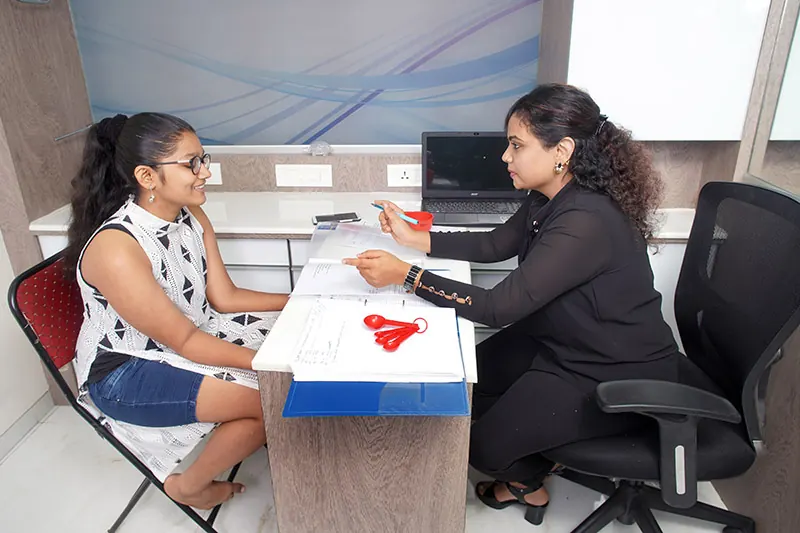
Every plan is personal. Kejjall counsels you herself, reviews your progress at each follow-up and adjusts the plan as your reports and routine change.
Identify deficiencies and metabolic concerns.
Muscle, body fat and visceral fat, not just weight.
Sleep, stress, schedule, culture and food preferences.
Several food options per meal, with regular progress reviews.
Polycystic ovary syndrome, often called PCOS or PCOD, is one of the most common hormonal conditions among women of reproductive age in India. It can cause irregular or missed periods, acne, excess facial or body hair, hair thinning on the scalp, weight gain, particularly around the waist, and difficulty conceiving. Many women with PCOS also have insulin resistance, which means the body needs more insulin to keep blood sugar normal. Higher insulin levels can, in turn, increase androgen hormones and worsen symptoms.
PCOS is diagnosed by a doctor based on symptoms, blood tests and sometimes an ultrasound. It is a long-term condition, but its symptoms can often be managed well. International guidelines recommend lifestyle changes, including diet and physical activity, as a first-line approach for many women, alongside any treatment prescribed by a gynaecologist or endocrinologist.
Hypothyroidism occurs when the thyroid gland does not produce enough thyroid hormone. This can slow metabolism and cause fatigue, weight gain, feeling cold, dry skin, hair fall, constipation, low mood and menstrual changes. Hashimoto’s thyroiditis, an autoimmune condition, is a common cause. Hypothyroidism is usually treated with thyroid hormone tablets prescribed by your doctor, and TSH levels are monitored regularly to adjust the dose.
Nutrition does not replace thyroid medication, but it plays an important supporting role in managing weight, energy, cholesterol and overall wellbeing. Many women have both PCOS and thyroid concerns, which is why we address them together in one program.
For women with PCOS, improving insulin sensitivity is often the most important nutritional goal. This involves balancing carbohydrates rather than eliminating them, including protein at every meal, choosing high-fibre whole grains and pulses, and limiting sugary foods, sweetened drinks and refined flour. Regular meal timing helps prevent the blood-sugar swings that drive cravings and fatigue.
Even a modest weight reduction of five to ten percent, where weight loss is appropriate, can improve cycle regularity and metabolic markers for many women. However, not every woman with PCOS is overweight, and lean PCOS needs a different approach focused on insulin sensitivity, muscle and nutrient adequacy rather than weight loss.
Traditional Indian food can work very well for PCOS with a few adjustments. Building meals around vegetables, protein and whole grains keeps blood sugar steadier and supports energy through the day.
Iodine, selenium, zinc and iron all play roles in thyroid health. Using iodised salt in moderation usually meets iodine needs in India. Selenium is found in nuts, seeds, eggs and fish, while iron comes from green leafy vegetables, pulses, dates and, for non-vegetarians, eggs and meat. Iron deficiency is very common among Indian women and can worsen fatigue and hair fall, so we review your haemoglobin and iron studies where available.
Thyroid tablets are best taken on an empty stomach, usually in the morning, with a gap before breakfast, tea or coffee, and calcium or iron supplements. Your plan is timed around your medication. Foods such as cabbage, cauliflower and soy are generally fine in normal cooking amounts and do not need to be avoided unless your doctor advises otherwise.
Women with PCOS or hypothyroidism often feel that weight loss is harder for them than for others, and this frustration is valid. Changes in insulin, thyroid hormones and metabolism can all play a role. This is why we track body composition with an InBody scan at our Ghatkopar East clinic rather than relying only on the scale. Improvements in muscle mass, body fat and visceral fat are meaningful even when weight changes slowly.
Regular physical activity improves insulin sensitivity, mood, sleep and energy. A combination of brisk walking or other aerobic activity and strength training two or three times a week is beneficial for most women with PCOS. For those with hypothyroidism who feel very fatigued, starting gently and increasing gradually helps build consistency. Activity plans are adapted to your fitness, schedule and preferences.
Many women first seek help because of acne, hair fall or irregular periods. Balanced nutrition, adequate protein, iron, zinc, vitamin D and B12 status, stress management and good sleep all support skin and hair health. Changes in hair and skin take time, often several months, because hair growth cycles are slow. We set realistic expectations and track progress alongside your gynaecologist or dermatologist’s care.
Chronic stress and poor sleep affect cortisol, insulin and appetite hormones, which can worsen PCOS symptoms and fatigue. Students preparing for exams, working women with long commutes and new mothers often struggle with both. Consistent sleep times, limiting screens late at night, short relaxation practices and regular meals can make a real difference to how you feel and how well your plan works.
Teenagers with PCOS need support that protects growth, bone health and a healthy relationship with food, avoiding restrictive dieting. Women in their twenties and thirties may focus on cycles, weight and fertility. Those planning pregnancy can move into our Fertility Program, and women approaching menopause may need attention to heart health, bone density and changing body composition. Your plan evolves with your life stage.
Myth: women with PCOS must cut out all carbohydrates. Fact: balanced, high-fibre carbohydrates in the right portions are part of a healthy PCOS diet.
Myth: dairy must be avoided completely. Fact: most women can include curd, paneer and milk in moderate amounts unless there is a specific intolerance.
Myth: thyroid patients cannot lose weight. Fact: with correct medication and a sustainable plan, many women make steady progress.
Myth: supplements can replace thyroid medicine. Fact: supplements never replace prescribed treatment and should only be taken after discussion with your doctor.
Your first consultation includes a review of hormone and blood reports, an InBody body-composition scan, and a detailed discussion of your cycle history, symptoms, sleep, stress and food preferences. Follow-ups track cycle changes, energy, body composition and reports over time. The program is available at our clinic in Ghatkopar East, Mumbai, convenient for clients from Ghatkopar, Vikhroli, Chembur, Mulund and Kurla, and online for women across India and abroad.
Social meals and festivals are part of everyday life, and your plan should allow for them. At restaurants, choose dal, tandoori dishes, salads and roti over fried starters, creamy gravies and naan. During festivals, plan sweets into the week rather than eating them daily. Many women with PCOS or thyroid concerns observe religious fasts; fasting foods such as sabudana, potato and sweet potato are carbohydrate-heavy, so pairing them with curd, paneer, peanuts or makhana helps keep blood sugar steadier. If you take medication, discuss fasting with your doctor first.
Deficiencies in vitamin D, vitamin B12 and iron are very common among Indian women and can worsen fatigue, hair fall, low mood and muscle aches, symptoms that often overlap with PCOS and hypothyroidism. Vegetarian women are at particular risk of low B12. We review these values in your reports, suggest food sources and recommend discussing supplementation with your doctor where levels are low.
In the first month, most women focus on regular meals, balanced plates and reducing refined snacks and sugary drinks. Over the following months, many notice steadier energy, fewer cravings and gradual changes in body composition. Cycle changes, skin and hair improvements and report changes typically take longer and vary considerably from person to person. Follow-ups help adjust the plan as your body responds.
Before starting, it can help to ask your gynaecologist or endocrinologist which tests are due, such as TSH, fasting insulin, HbA1c, lipid profile, vitamin D, B12 and iron studies; whether your current medication dose is appropriate; and what changes in your cycle or symptoms should prompt a review. Sharing this information with us ensures your nutrition plan works hand in hand with your medical treatment.
Diet and lifestyle are first-line approaches for PCOS. Many women see improvements in cycles, weight and skin.
Normal food amounts are generally fine. We will advise on timing around your medication.
Yes. We adapt plans for adolescents, focusing on growth and healthy habits.

Kejjall R Juthani, RD, CDE
Registered Dietitian · Certified Diabetes Educator · IDA Registration Board No. 26/05
Last reviewed: October 2026
This page is general health education, not a substitute for medical advice, diagnosis or treatment. Nutrition care supports, and does not replace, treatment by your doctor. Individual needs and results vary; no specific outcome is promised. Please consult your treating doctor before changing your diet, fasting or medication.
Leave your number and we’ll call or WhatsApp you within one working day to set up a consultation.