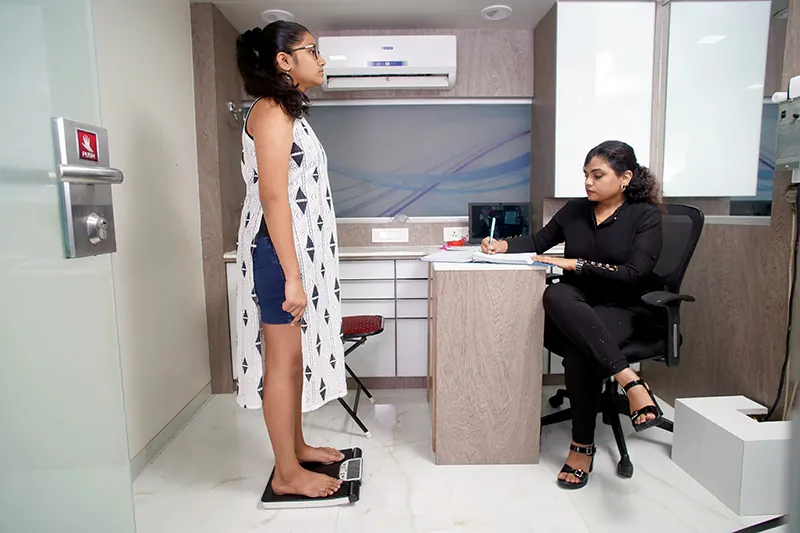
Healthy weight
Every kilo lost reduces stress on weight-bearing joints.
Every kilo lost reduces stress on weight-bearing joints.
Calcium, vitamin D, protein and magnesium from everyday foods.
More omega-3s, colourful vegetables and spices, and fewer refined foods.
Protein and InBody tracking to protect the muscles that support your joints.
Every plan is personal. Kejjall counsels you herself, reviews your progress at each follow-up and adjusts the plan as your reports and routine change.
Identify deficiencies and metabolic concerns.
Muscle, body fat and visceral fat, not just weight.
Sleep, stress, schedule, culture and food preferences.
Several food options per meal, with regular progress reviews.
Knee pain, back pain and neck stiffness are among the most common reasons people seek medical help. Osteoarthritis, the gradual wear of joint cartilage, becomes more common with age and excess weight. Desk-bound work, long commutes and reduced activity contribute to back and neck pain, while low bone density, known as osteopenia or osteoporosis, increases the risk of fractures, particularly in women after menopause.
Nutrition cannot replace medical treatment or physiotherapy, but it plays an important supporting role. Maintaining a healthy weight, supplying the nutrients bones and muscles need, and reducing inflammation through food choices can ease the load on joints and support recovery.
Weight-bearing joints such as the knees, hips and lower back carry the body’s load with every step. Research suggests that each kilogram of body weight adds several times that load to the knee joint during walking. This is why even modest weight loss can reduce pain and improve mobility for many people with knee osteoarthritis. Weight loss is approached gradually, protecting muscle, because strong muscles support and stabilise the joints.
Muscles act as shock absorbers and stabilisers for the joints and spine. Muscle mass naturally declines with age, and inactivity accelerates this loss. Adequate protein from dal, pulses, paneer, curd, milk, soy, eggs, fish or chicken, spread across meals, helps maintain muscle, especially when combined with strength exercises recommended by a physiotherapist. InBody body-composition scans at our Ghatkopar East clinic measure muscle mass so progress can be tracked accurately.
Bone health depends on a combination of nutrients and lifestyle factors. Calcium and vitamin D are the best known, but protein, magnesium, vitamin K, potassium and phosphorus also contribute.
Chronic low-grade inflammation is associated with joint pain and stiffness. An eating pattern rich in vegetables, fruits, whole grains, pulses, nuts, seeds and omega-3 fats, with fewer refined carbohydrates, sugary foods and fried snacks, supports a healthier inflammatory profile. Traditional Indian spices such as turmeric, ginger and garlic can be part of this pattern, though they are not a substitute for prescribed treatment.
Gout occurs when uric acid builds up and forms crystals in the joints, causing sudden, severe pain, often in the big toe. Diet can influence uric acid levels. Limiting organ meats, certain seafood, alcohol, particularly beer, and sugary drinks, maintaining a healthy weight and drinking enough water help many people. Most vegetables, pulses and dairy can generally be included. Medication prescribed by your doctor remains important for managing gout.
If you are preparing for knee or hip replacement or spine surgery, good nutrition before the operation helps build reserves for healing. Afterwards, adequate protein, energy, vitamin C, zinc and fluids support wound healing and rehabilitation. Constipation is common after surgery and with pain medication, so fibre and fluids are planned carefully. We coordinate with your surgeon and physiotherapist throughout recovery.
Many working professionals experience back and neck pain linked to long hours at a desk, poor posture and limited movement. While ergonomics and physiotherapy are central, nutrition supports by maintaining a healthy weight, preserving muscle, and ensuring adequate vitamin D and B12, deficiencies of which are common and can contribute to aches and fatigue.
Women lose bone density faster after menopause because of falling oestrogen levels. Building strong bones earlier in life and maintaining them through adequate calcium, vitamin D, protein and weight-bearing exercise is important. Women with early menopause, thyroid disorders, long-term steroid use or a family history of osteoporosis may need bone density testing as advised by their doctor.
Healthy, joint-friendly eating fits naturally into Indian meals.
Myth: curd and sour foods cause joint pain. Fact: for most people, curd is a valuable source of calcium and protein.
Myth: people with knee pain should stop all exercise. Fact: appropriate exercise guided by a physiotherapist usually helps.
Myth: calcium supplements alone prevent osteoporosis. Fact: vitamin D, protein, exercise and overall diet matter too, and supplements should be taken as advised by your doctor.
Your first consultation includes a review of reports such as vitamin D, B12, calcium and uric acid, an InBody body-composition scan, and a discussion of your pain, mobility, work and activity. We work alongside your orthopaedic doctor and physiotherapist, setting gradual goals for weight, strength and nutrition. Consultations are available at our clinic in Ghatkopar East, Mumbai, and online for clients across India and abroad.
Vitamin D deficiency is surprisingly common in India despite abundant sunshine, because of indoor lifestyles, pollution, clothing and skin type. Low vitamin D affects calcium absorption and bone health and is associated with muscle weakness and aches. Vitamin B12 deficiency, particularly common among vegetarians, can cause fatigue, tingling and muscle discomfort. We review these values in your reports and recommend discussing supplementation with your doctor where levels are low.
Movement nourishes joints. Low-impact activities such as walking, swimming, cycling and guided strength exercises help maintain mobility, muscle strength and healthy weight. Rest is important during flare-ups, but long periods of inactivity can worsen stiffness. Your physiotherapist will recommend exercises suited to your condition, and your nutrition plan supports that activity with adequate energy and protein.
Water supports joint lubrication, muscle function and kidney health, and adequate fluid is particularly important for people with high uric acid. Mumbai’s humid climate increases fluid losses through sweat. Regular sips through the day, water-rich foods such as cucumber, watermelon and buttermilk, and limiting sugary drinks help maintain good hydration.
For older adults, maintaining muscle strength, balance and bone density reduces the risk of falls and fractures. Adequate protein, calcium, vitamin D and regular, safe activity all contribute. Poor appetite, dental problems and multiple medicines can make good nutrition harder, so plans for seniors focus on easy-to-eat, nutrient-dense foods and involve family members who help with meals.
Some people notice less knee or back pain as weight reduces and activity increases, while others see gradual improvements in strength and mobility over several months. Bone density changes take much longer and are monitored by your doctor. Results vary with age, the severity of joint changes and other health conditions. Regular follow-ups help adjust your plan as your needs change.
Rheumatoid arthritis and other inflammatory joint conditions differ from osteoarthritis and require treatment from a rheumatologist. Nutrition can support overall health in these conditions by maintaining healthy weight and muscle, addressing anaemia or vitamin deficiencies, supporting bone health when steroids are used, and following an anti-inflammatory eating pattern. Plans are always coordinated with your specialist’s treatment.
Before starting, ask your orthopaedic doctor or physiotherapist which activities are safe, whether you need tests such as vitamin D, B12, uric acid or bone density, whether any supplements are recommended, and what weight goal would help your joints. Sharing these answers allows your nutrition plan to support your medical care closely. It also helps to note which daily activities cause the most discomfort, such as climbing stairs, sitting on the floor, long commutes or standing while cooking, so that weight, strength and nutrition goals can be linked to the improvements that matter most in your everyday life. Clients from Ghatkopar, Vikhroli, Kanjurmarg, Chembur and nearby areas can combine in-clinic InBody tracking with physiotherapy sessions close to home, keeping care convenient and consistent.
Weight loss and balanced eating often reduce joint load and discomfort. It works best with physiotherapy.
Only if food intake and reports suggest it. We review your levels first.
We adjust purine-rich foods, hydration and weight to support healthy uric acid levels.

Kejjall R Juthani, RD, CDE
Registered Dietitian · Certified Diabetes Educator · IDA Registration Board No. 26/05
Last reviewed: October 2026
This page is general health education, not a substitute for medical advice, diagnosis or treatment. Nutrition care supports, and does not replace, treatment by your doctor. Individual needs and results vary; no specific outcome is promised. Please consult your treating doctor before changing your diet, fasting or medication.
Leave your number and we’ll call or WhatsApp you within one working day to set up a consultation.