Growth nutrition
Protein, iron, calcium and healthy fats suited to each age.
Protein, iron, calcium and healthy fats suited to each age.
Fruits, vegetables, curd and enough sleep for a stronger immune system.
Gentle strategies to widen food choices without mealtime battles.
Healthy, appealing options to replace packaged snacks.
Every plan is personal. Kejjall counsels you herself, reviews your progress at each follow-up and adjusts the plan as your reports and routine change.
Identify deficiencies and metabolic concerns.
Muscle, body fat and visceral fat, not just weight.
Sleep, stress, schedule, culture and food preferences.
Several food options per meal, with regular progress reviews.
Children catch colds, coughs and stomach infections more often than adults because their immune systems are still developing, and they are constantly exposed to new germs at school, in play areas and on public transport. Good nutrition does not prevent every illness, but it supports the immune system, healthy growth, energy, concentration and recovery after illness.
Many parents in Mumbai worry about frequent infections, picky eating, low weight, excess weight, or children who prefer packaged snacks to home-cooked food. Our program focuses on practical, family-friendly changes built around Indian meals, rather than special products or supplements.
No single food boosts immunity on its own. Instead, a range of nutrients work together.
A balanced plate for a child includes a whole grain or cereal, a protein source, vegetables, a fruit and a dairy food across the day. Traditional Indian meals such as dal, rice, roti, sabzi and curd already provide a strong foundation. Portions should match the child’s age, appetite and activity rather than adult servings. We help families make small improvements, such as adding vegetables to parathas, using millets, including a protein in every meal, and offering fruit instead of biscuits.
School tiffins are one of the biggest challenges for parents. Children want food that is tasty, easy to eat and looks like what their friends bring. Tiffins that stay fresh in Mumbai’s heat and humidity are also important.
Picky eating is common in young children and usually improves with time and patience. Pressuring, bribing or punishing children around food often makes it worse. Offer new foods repeatedly alongside familiar ones, involve children in shopping and cooking, eat together as a family, and keep mealtimes calm and free of screens. It can take many exposures before a child accepts a new food. If picky eating is severe, affects growth, or comes with other concerns, discuss it with your paediatrician.
Packaged snacks, fried foods, sweets, chocolates and sugary drinks are easily available and heavily marketed to children. Frequent intake can displace nutritious foods, contribute to dental problems and unhealthy weight gain, and affect energy and concentration. Rather than banning these foods completely, we help families set reasonable limits, keep healthier options at home, and create homemade versions of favourite snacks such as baked chakli, fruit popsicles or homemade pizza on whole-wheat bases.
A large part of the immune system is linked to the gut. Fibre from whole grains, pulses, vegetables and fruits, and fermented foods such as curd, buttermilk, idli and dosa, support a healthy gut environment. Adequate water intake and regular toilet habits also matter, as constipation is common in children who eat little fibre or drink too little water. We include gut-friendly foods in every plan.
Both underweight and overweight are increasingly common among children in India. Growth is assessed by a paediatrician using growth charts that consider age, height and weight, and children should never be put on restrictive diets. For children who are underweight, we focus on energy- and nutrient-dense foods and regular meals. For children who are overweight, we focus on healthy family habits, more activity and less screen time, so the child can grow into a healthier weight without feeling singled out.
Iron-deficiency anaemia is common among Indian children and can cause tiredness, poor concentration, reduced appetite and frequent illness. Including iron-rich foods and pairing them with vitamin C sources improves absorption. Avoiding tea with meals also helps. If anaemia is suspected, your paediatrician may recommend a blood test and, if needed, iron supplements. Our plans support this treatment with practical, child-friendly food choices.
During and after an illness, children often have a reduced appetite. Offer small, frequent meals and plenty of fluids, such as water, soups, dal water, coconut water and buttermilk. Soft, easy-to-digest foods like khichdi, curd rice, idli and soups are usually well accepted. As appetite returns, gradually reintroduce regular meals to help the child regain energy. Always follow your paediatrician’s advice, especially for fever, dehydration or persistent symptoms.
Immunity and healthy growth depend on more than food. Adequate sleep, daily physical activity and outdoor play support overall health and mood. Excessive screen time is associated with less activity, more snacking and later bedtimes. We include simple family routines in our plans, such as regular meal and sleep times, active play after school, and screen-free mealtimes.
Teenagers grow rapidly and have high nutrient needs, particularly for iron, calcium, protein and energy. At the same time, skipped breakfasts, exam stress, social media influences and fast food can affect eating habits. Adolescent girls may need extra attention to iron, and those with PCOS or irregular periods may benefit from our Hormonal Care program. We speak directly with teenagers, respecting their preferences while helping them make informed choices.
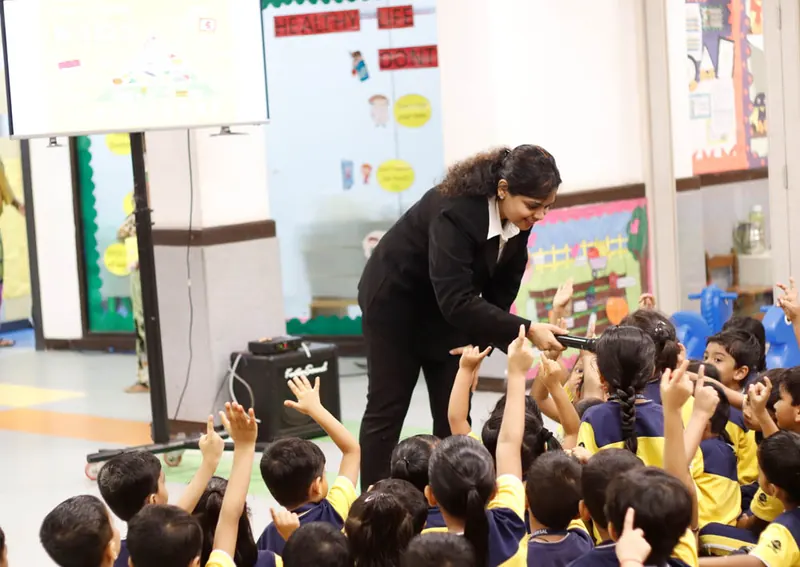
Beyond individual consultations, Kejjall conducts nutrition awareness sessions in schools in Ghatkopar, using the food pyramid, quizzes and simple do’s and don’ts to help children understand healthy eating. When children learn why foods matter, they are more willing to try new options at home. Schools interested in a session can contact the clinic.
Consultations involve both parent and child. We review growth records, medical history, any reports, appetite, eating habits, school routines and activity. We then create a family-friendly plan with tiffin ideas, recipes and gradual goals, with follow-ups as the child grows. Consultations are available at our clinic in Ghatkopar East, Mumbai, convenient for families in Ghatkopar, Vikhroli, Chembur, Mulund and nearby areas, and online for families across India and abroad.
Children often forget to drink water, especially at school. Sending a refillable water bottle, offering water with meals and snacks, and limiting packaged juices and soft drinks support hydration and dental health. Buttermilk, coconut water, homemade lemon water with little sugar, and milk are healthier alternatives. In Mumbai’s heat, children who play outdoors need extra fluids.
Birthday parties, festivals and family functions are a joyful part of childhood, often with sweets and fried snacks. Rather than restricting completely, we help families balance celebrations with regular healthy meals, offer smaller portions of treats, include healthier homemade sweets made with dates, nuts and jaggery in moderation, and return to normal routines the next day.
Before starting, it helps to discuss your child’s growth charts, any history of frequent infections, allergies or food intolerances, vaccination status, and whether any blood tests or supplements such as iron or vitamin D are needed. Sharing this information with us allows the nutrition plan to support your paediatrician’s care closely.
Changes in children’s eating habits usually happen gradually. Many families notice improvements in appetite, energy and willingness to try new foods within a few weeks, while changes in growth and frequency of illness are assessed over months. Every child is different, and results vary. Follow-ups help adjust the plan as the child grows and as school routines change. Online follow-ups are available for busy families, and siblings can often be included in the same family plan. Grandparents and caregivers who prepare meals are welcome to join consultations, so that everyone at home follows the same approach. Recipes, tiffin ideas and shopping lists are shared after each session, making it easier to apply the plan consistently through school terms, vacations, exams and festival seasons. The aim is simple: a happy, well-nourished child who enjoys home food, has steady energy for school and play, and builds healthy habits that last into adulthood, supported by a family that feels confident about everyday food choices.
From toddlers to teenagers, with plans adapted to each stage.
Most children do not if their diet is balanced. We check for gaps first.
Yes. Parents are central to the plan, since they shape meals at home.

Kejjall R Juthani, RD, CDE
Registered Dietitian · Certified Diabetes Educator · IDA Registration Board No. 26/05
Last reviewed: October 2026
This page is general health education, not a substitute for medical advice, diagnosis or treatment. Nutrition care supports, and does not replace, treatment by your doctor. Individual needs and results vary; no specific outcome is promised. Please consult your treating doctor before changing your diet, fasting or medication.
Leave your number and we’ll call or WhatsApp you within one working day to set up a consultation.