Fats & oils
Choosing and rotating cooking oils, and cutting hidden fats in snacks and outside food.
Choosing and rotating cooking oils, and cutting hidden fats in snacks and outside food.
Reducing sodium in pickles, papads, namkeens and packaged foods without bland meals.
Oats, pulses, vegetables and nuts that support healthier lipid levels.
Tracking visceral fat with InBody, a key marker of heart risk.
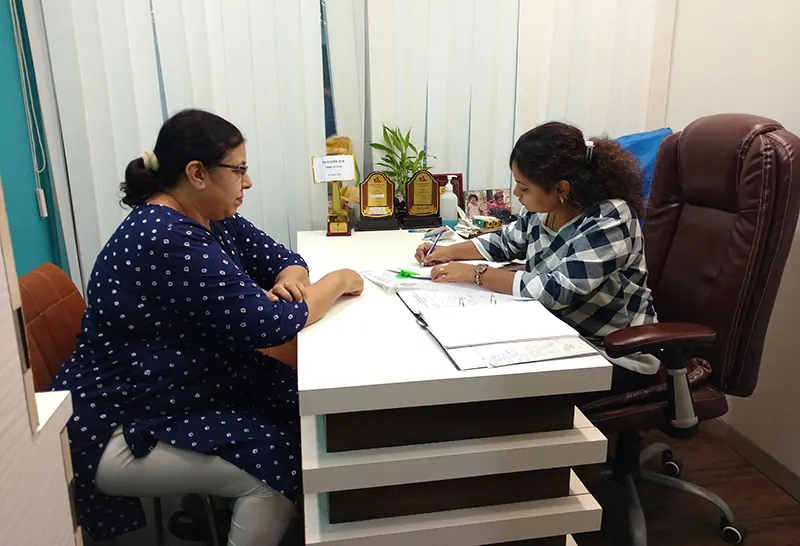
Every plan is personal. Kejjall counsels you herself, reviews your progress at each follow-up and adjusts the plan as your reports and routine change.
Identify deficiencies and metabolic concerns.
Muscle, body fat and visceral fat, not just weight.
Sleep, stress, schedule, culture and food preferences.
Several food options per meal, with regular progress reviews.
Heart disease is a leading cause of death in India, and it often appears at a younger age than in many other countries. Risk factors such as high blood pressure, high cholesterol, diabetes, abdominal obesity, smoking, stress and physical inactivity are common and frequently go unnoticed until a cardiac event occurs. The encouraging news is that many of these risk factors respond well to changes in diet and lifestyle, alongside any medication prescribed by your doctor.
Whether you want to lower your risk, have been told your cholesterol or blood pressure is high, or are recovering after angioplasty, bypass surgery or a heart attack, nutrition plays a central role in protecting your heart.
A lipid profile measures total cholesterol, LDL cholesterol, HDL cholesterol and triglycerides. LDL is often called bad cholesterol because high levels contribute to plaque in the arteries. HDL helps remove cholesterol from the bloodstream. Triglycerides are a type of fat that rises with excess refined carbohydrates, sugar, alcohol and abdominal weight. Many Indians have a pattern of high triglycerides and low HDL, which is closely linked to insulin resistance.
Your plan is built around your specific numbers. Someone with high LDL needs a slightly different approach from someone with high triglycerides, and both differ from someone whose main concern is blood pressure.
Fat is not the enemy, but the type and amount matter. Indian cooking often uses generous amounts of oil and ghee, and hidden fats in farsan, bakery items, restaurant food and sweets add up quickly. Rather than eliminating fat, we focus on using measured amounts, rotating healthier cooking oils, and reducing deep-fried and packaged foods.
Good sources of healthy fats include nuts such as almonds and walnuts, seeds such as flaxseed and chia, and, for those who eat it, fish. Trans fats, found in some vanaspati, commercially fried snacks and bakery products, are best avoided completely.
High salt intake is a major contributor to high blood pressure. Much of the salt in Indian diets comes not from the salt shaker but from pickles, papads, chutneys, namkeen, instant noodles, sauces, processed cheese and restaurant food. Reducing these, cooking with herbs, lemon, garlic and spices for flavour, and gradually lowering added salt allows your taste buds to adjust within a few weeks.
Potassium-rich foods such as vegetables, fruits, pulses and curd also support healthy blood pressure, unless your doctor has advised a potassium restriction because of kidney concerns.
Soluble fibre helps lower LDL cholesterol. Good sources include oats, barley, rajma, chana, moong, apples, guava, flaxseed and vegetables such as bhindi and brinjal. Whole grains such as jowar, bajra and ragi provide fibre and minerals that refined flour lacks.
After angioplasty, bypass surgery or a heart attack, your cardiologist will guide when you can resume normal eating, how much fluid and salt you should have, and what activity is safe. Our role is to translate that guidance into practical meals that fit your home, help you rebuild strength gradually and support long-term changes that reduce the risk of another event. We work alongside cardiac rehabilitation programmes where available.
Abdominal fat, especially visceral fat stored around internal organs, is strongly linked to heart risk, even in people who are not significantly overweight. An InBody scan at our Ghatkopar East clinic measures visceral fat directly, so progress can be tracked beyond the bathroom scale. Even modest reductions in waist size can improve blood pressure, blood sugar and lipid levels.
Regular physical activity, adequate sleep and stress management all support heart health. Brisk walking for 30 minutes on most days is a good goal for many people, but activity after a cardiac event should always follow your cardiologist’s advice. Stopping smoking is one of the most powerful steps you can take for your heart, and we encourage clients to seek support from their doctor for this.
This program suits adults with high cholesterol or triglycerides, high blood pressure, a family history of heart disease, abdominal obesity, metabolic syndrome or a history of cardiac events. It is available at our clinic in Ghatkopar East, Mumbai, serving clients across the eastern and central suburbs, and online for clients in India and overseas.
Restaurant and festive meals are often high in oil, salt and refined flour. Choosing tandoori or grilled dishes, dal and sabzi with roti instead of naan or biryani, asking for less oil and salt, and sharing desserts can make eating out more heart-friendly. During festivals, we plan portions of sweets and fried foods into your week rather than banning them, so you can enjoy celebrations without losing progress.
Packaged foods can contain hidden salt, sugar and unhealthy fats. Learning to read labels helps you compare options. Look at sodium per serving, total and saturated fat, trans fat, added sugars and serving size. Products marketed as healthy, such as some breakfast cereals, protein bars and baked snacks, may still be high in sugar or salt. During consultations we review the packaged foods you commonly buy and suggest practical swaps.
Heart disease is often thought of as a man’s problem, but it is a leading cause of death among women too. After menopause, the risk rises as protective hormonal effects decline. Women may also experience different warning signs, such as unusual fatigue, breathlessness or discomfort in the jaw, back or stomach. Conditions such as PCOS and gestational diabetes can increase long-term heart risk. A heart-healthy diet and active lifestyle benefit women at every stage of life.
Lipid profile and blood pressure changes are usually reviewed after several weeks to a few months of consistent changes. Many clients notice improvements in energy, waist size and stamina along the way. Results vary from person to person, and some people will need medication regardless of diet because of genetics or existing heart disease. Our goal is to support your doctor’s treatment plan with the best possible nutrition and lifestyle foundation.
Before starting a new eating plan after a cardiac event, it can help to ask your cardiologist about your target LDL and blood pressure, any fluid or salt limits, safe activity levels, interactions between medicines and foods such as grapefruit or leafy greens if you take blood thinners, and when your next lipid profile is due. Sharing this information with us allows the plan to align with your medical care.
Many traditional Indian foods suit a heart-healthy diet. Whole dals and pulses, millets such as jowar, bajra and ragi, seasonal vegetables, curd, spices such as turmeric, garlic and fenugreek, and nuts and seeds in measured portions all have a place. The challenge is usually preparation and portion size rather than the foods themselves. Steaming, roasting, sautéing with measured oil, and using tadka sparingly preserve flavour while reducing fat.
Heart disease often occurs together with diabetes, high blood pressure and kidney concerns. These conditions influence each other, and a plan that addresses only one may miss the bigger picture. For example, someone with heart disease and diabetes needs carbohydrate planning as well as fat and salt control, while someone with kidney concerns may need protein, potassium or fluid adjustments. Your plan considers all your reports together so that advice for one condition does not unintentionally worsen another.
Short-term diets rarely protect the heart in the long run. Lasting change comes from small, consistent habits: cooking at home more often, measuring oil, adding a salad or vegetable to every meal, walking daily, sleeping well and managing stress. We set realistic goals for each follow-up, celebrate progress and adjust when life gets busy, so heart-healthy eating becomes a normal part of your family’s routine rather than a temporary restriction.
Diet can meaningfully improve cholesterol for many people, often together with medication your doctor prescribes. We track your reports over time.
In measured amounts for most people. Your plan will specify quantities based on your reports.
Once your cardiologist clears you. We follow their guidance on fluids, salt and activity.

Kejjall R Juthani, RD, CDE
Registered Dietitian · Certified Diabetes Educator · IDA Registration Board No. 26/05
Last reviewed: October 2026
This page is general health education, not a substitute for medical advice, diagnosis or treatment. Nutrition care supports, and does not replace, treatment by your doctor. Individual needs and results vary; no specific outcome is promised. Please consult your treating doctor before changing your diet, fasting or medication.
Leave your number and we’ll call or WhatsApp you within one working day to set up a consultation.